Why Nonprofit Fundraising Events Underperform Even When Attendance Is High

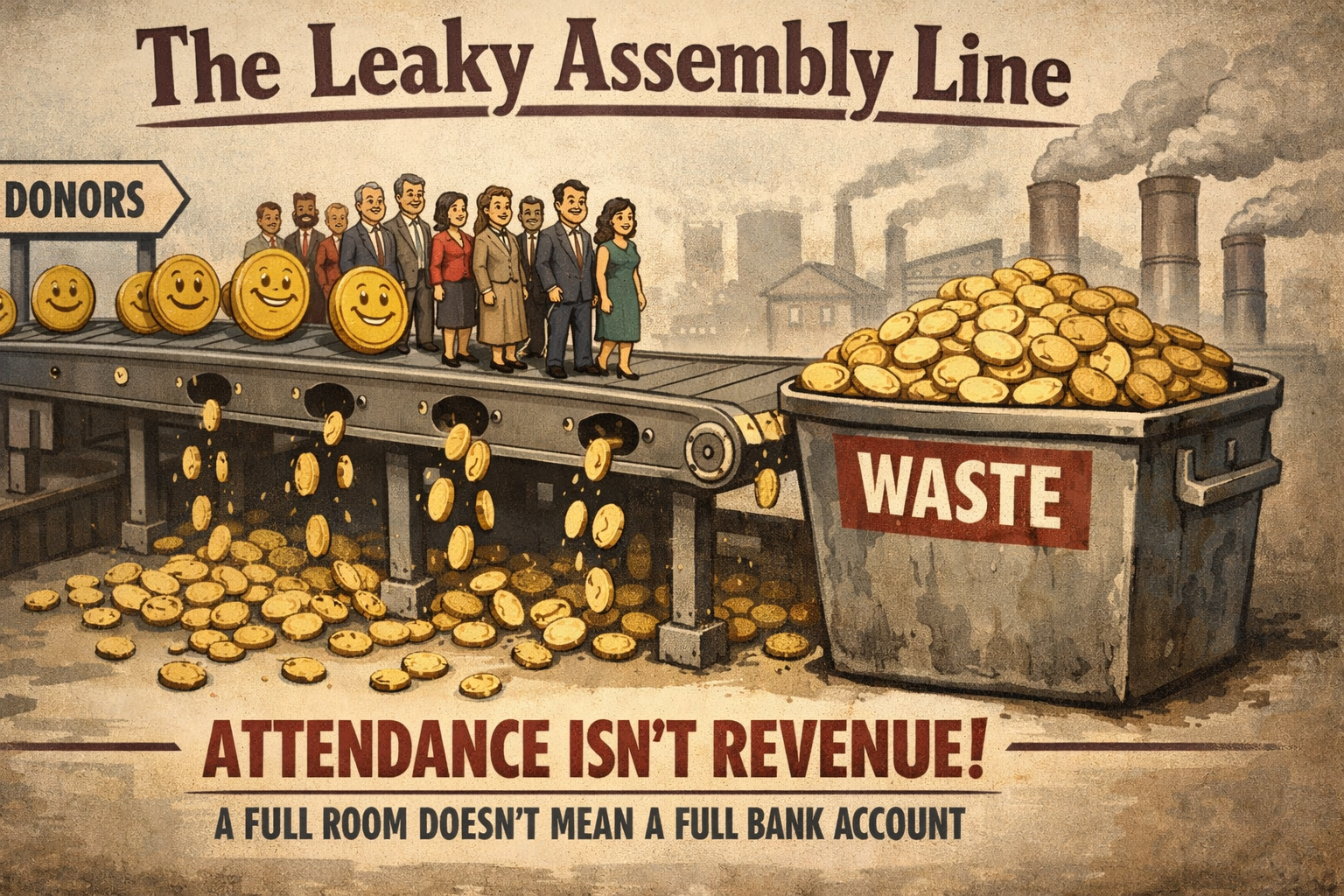
Many nonprofit leaders leave fundraising events with mixed emotions. The room was full, the energy was high, and the event looked successful on the surface. Yet when the numbers are reviewed, margins are thin, donor retention is low, and the effort doesn’t feel sustainable. For small to mid-sized nonprofits in the USA, this pattern raises an uncomfortable but critical question: why do nonprofit fundraising events underperform even when attendance is strong?
Understanding the systemic issues behind event performance is the first step toward meaningful improvement.
The Strategic Misalignment Behind Underperforming Fundraising Events
Treating fundraising events as transactions instead of relationships
Many nonprofits still approach fundraising events as one-time revenue opportunities. Tickets are sold, donations are collected, thank-you emails are sent, and the organization moves on. This transactional mindset overlooks the long-term donor relationships that drive sustainable fundraising success.
Relying on outdated nonprofit fundraising strategies
Donor expectations have changed. Personalization, relevance, and timely follow-up are now standard. Events built on outdated strategies struggle to convert attendees into repeat donors, no matter how well-attended they are.
Increasing costs and diminishing returns for nonprofit events
As venues, vendors, and marketing costs rise, nonprofit fundraising events require more resources to generate the same revenue. Without strategic optimization, events begin to feel like high-effort, low-return initiatives.
How Broken Systems Undermine Nonprofit Fundraising Events
Fragmented donor data limits visibility and follow-up
When donor information is spread across spreadsheets, email platforms, and ticketing tools, nonprofits lose the ability to see the full supporter picture. Attendance history, giving patterns, and engagement signals become disconnected, making meaningful follow-up nearly impossible.
Lack of a centralized nonprofit CRM system
A nonprofit CRM system is essential for connecting event participation with donor behavior. Without it, nonprofit leaders are forced to rely on assumptions rather than data-driven insights when planning future fundraising efforts.
The Post-Event Gap Where Most Nonprofits Lose Donors
Absence of a structured post-event donor journey
Most nonprofits lose the majority of event attendees because there is no intentional plan for what happens next. One generic thank-you message rarely leads to deeper engagement or future giving.
Missed opportunities for segmentation and personalization
Without fundraising CRM tools that support segmentation, nonprofits struggle to tailor messages based on donor interest, capacity, or past involvement. This results in missed opportunities to build trust and long-term loyalty.
If your nonprofit fundraising events look successful but consistently underperform financially, the root causes may be hiding in plain sight. Read the full blog to uncover what’s really happening behind the scenes and learn how small to mid-sized nonprofits can turn events into relationship-driven revenue engines.