Mar 2nd, 2026
By Satish Reddy | Reading time 7 mins
Are Nonprofits Over-Automating Donor Relationships With AI? And How To Find A Balance
A longtime donor opens your email.
She’s given to your organization for 12 years. She’s attended your annual gala. She once wrote you a handwritten note after you helped her neighbor.
This time, she pauses.
The email is polished. Personalized. It even references her last gift.
But something feels off.
Too smooth. Too fast. Too automated.
And she wonders. Do they still know me? Or am I just a segment in a database now?
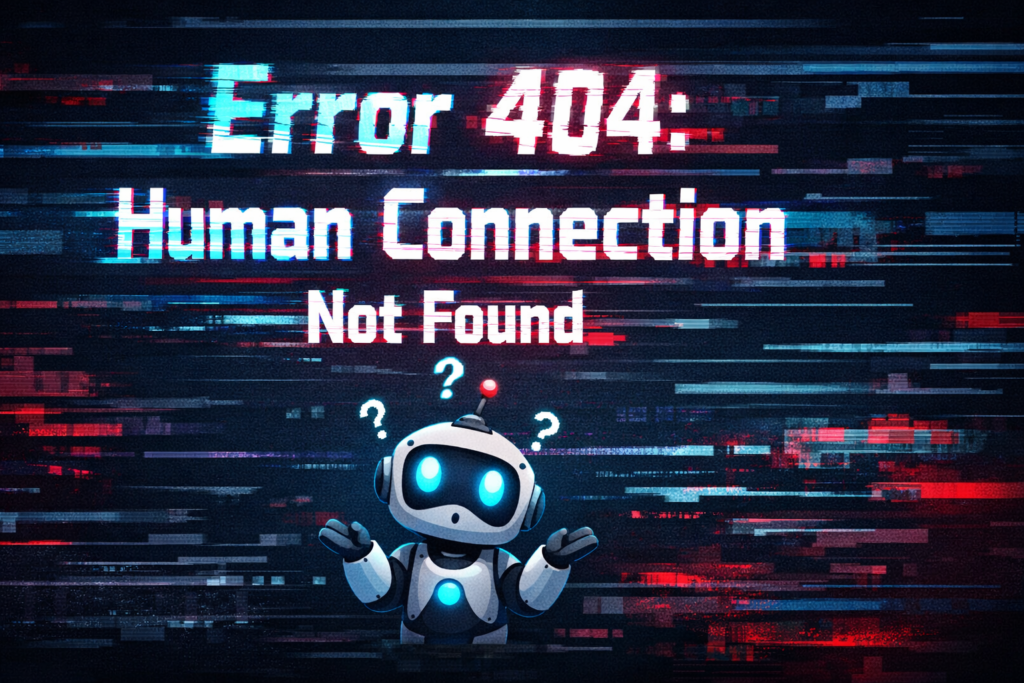
If you’re leading a small or mid-sized nonprofit in the U.S., this question should make you uncomfortable. Because AI in nonprofit fundraising is no longer hypothetical. It’s here. And while AI tools promise efficiency, smarter segmentation, and higher donor retention, there’s a growing risk that nonprofits are over-automating donor relationships and slowly eroding the very trust they depend on.
Download the 1-Hour Weekly Engagement Plan
In this post, we’ll explore:
- The rise of AI in nonprofit fundraising
- The real risks of over-automation
- Common pain points facing small and mid-sized nonprofits
- Practical guidelines for balancing automation and human connection
- A simple framework to ensure AI strengthens not weakens donor relationships
Let’s talk about what’s really happening.
The Rapid Rise of AI in Nonprofit Fundraising
Artificial intelligence in nonprofits is no longer limited to predictive analytics used by major universities or national charities.
Today, even grassroots organizations are using AI tools for:
- Automated donor email campaigns
- AI-generated fundraising copy
- Chatbots for donor inquiries
- Predictive donor scoring
- Automated thank-you sequences
- Grant writing assistance
- Data-driven donor segmentation
And for good reason.
Small nonprofit teams are overwhelmed.
– You’re understaffed.
– You’re juggling fundraising and program delivery.
– Your development director might also be your marketing manager.
AI promises relief.
– It can draft appeal letters in minutes.
– It can schedule multi-touch campaigns.
– It can analyze donor trends faster than any human.
But here’s the critical question:
Are we using AI to deepen donor relationships or to replace them?
The Hidden Cost of Over-Automating Donor Relationships
Automation feels efficient.
But donor relationships are not built on efficiency.
They’re built on connection.
When nonprofits lean too heavily on automation, three subtle but dangerous things begin to happen.
1. Donors Start Feeling Processed Instead of Valued
AI-powered personalization can insert a first name and reference past giving history.
But donors can tell the difference between “Hello Sarah” and “Sarah, I remember you told us why clean water matters to your family.”
One is data-driven.
The other is relationship-driven.
And small to mid-sized nonprofit donors, especially older donors and major gift prospects, crave authentic connection.
2. Communication Becomes Predictable
Automation systems follow sequences.
- Day 1: Thank-you email
- Day 5: Impact story
- Day 12: Soft ask
- Day 20: Urgency email
From a marketing perspective, this works.
From a human perspective? It can feel transactional.
When every interaction is triggered by a workflow rather than a real moment, your nonprofit risks sounding like every other organization in a donor’s inbox.
3. Staff Lose the Habit of Personal Outreach
This one is more subtle and more dangerous.
When automation handles thank-yous, follow-ups, reminders, and updates, development staff may gradually stop making personal calls.
Stop sending handwritten notes.
Stop checking in “just because.”
And over time, the culture shifts from relationship-building to campaign-management.
That’s not fundraising.
That’s automation management.
Why Small and Mid-Sized Nonprofits Are Especially Vulnerable
Large national nonprofits often have dedicated donor relations teams.
Small nonprofits don’t.
You may have:
- One development director
- A part-time admin
- A volunteer helping with email
- A board member making major donor calls (sometimes)
When AI tools promise:
- Faster fundraising emails
- Higher donor retention through automation
- Smarter donor targeting
It’s incredibly tempting.
Because you’re tired.
And your budget is tight.
And you need results.
But here’s the reality:
Small nonprofits win on intimacy.
You don’t have scale.
You have closeness.
If AI erodes that closeness, you lose your biggest competitive advantage.
The Real Purpose of AI in Nonprofit Fundraising
AI should not replace donor relationships.
It should protect them.
Think of AI as a back-office assistant, not a frontline fundraiser.
Here’s the difference:
Over-Automation | Smart Automation |
AI writes and sends everything | AI drafts, humans refine |
All thank-yous automated | First gift automated, major gifts personal |
No manual check-ins | AI flags donors for personal outreach |
Data replaces intuition | Data supports relationship decisions |
The goal isn’t to reduce human contact.
It’s to reduce administrative burden so you can increase human contact.
7 Signs Your Nonprofit May Be Over-Automating
Be honest with yourself.
If you answer “yes” to several of these, it may be time to recalibrate.
- You haven’t personally called a donor in months.
- All thank-you messages are automated.
- Major donors receive the same email flow as $25 donors.
- Your fundraising emails feel polished but emotionally flat.
- You rely on AI-generated copy without adding stories from your team.
- You can’t remember the last time you sent a handwritten note.
- Donors rarely reply to your emails anymore.
Automation increases output.
But if engagement is declining, something deeper is happening.
How to Balance AI and Human Connection (A Practical Framework)
Here’s a simple, practical structure for small and mid-sized nonprofits.
Step 1: Automate Administrative Tasks Not Emotional Touchpoints
Use AI for:
- Data analysis
- Email scheduling
- Drafting first versions
- Reporting
- Grant research
Do NOT automate:
- Major gift thank-yous
- Crisis communications
- Personal milestone acknowledgments
- Long-time donor updates
Step 2: Create a “Human Override” Policy
Every automated system should include a trigger for personal outreach.
For example:
- Any gift over $500 → Personal phone call within 48 hours
- Any donor giving 5+ consecutive years → Handwritten note annually
- Lapsed donor flagged by AI → Personal check-in email
AI identifies.
Humans connect.
Step 3: Protect Your Organization’s Voice
AI-generated fundraising copy often sounds… perfect.
But perfection can feel sterile.
Before sending:
- Add one real story from your program team.
- Insert a sentence that reflects your organization’s personality.
- Remove corporate-sounding language.
Your nonprofit’s voice should feel human, not optimized.
Step 4: Track Relationship Metrics Not Just Revenue
If you’re using AI in nonprofit fundraising, measure:
- Donor reply rates
- Personal conversations per month
- Handwritten notes sent
- Major donor retention
- Second-gift conversion rates
Revenue matters.
But relationships predict revenue.
The Future of AI in Nonprofits: Enhancement, Not Replacement
AI is not an enemy.
Used wisely, it can:
- Increase fundraising efficiency
- Improve donor segmentation
- Predict donor behavior
- Save staff time
- Strengthen campaign performance
But nonprofit fundraising is built on trust.
And trust is built on human connection.
As artificial intelligence becomes more powerful, the nonprofits that thrive will be those who double down on authenticity.
Not abandon it.
Final Question: What Do You Want Donors to Feel?
Before you automate another workflow, ask:
When a donor hears from us, do we want them to feel:
- Efficiently processed?
- Or deeply valued?
Because those two outcomes come from very different strategies.
AI can help you scale.
But only humans can build loyalty.
Call to Action for Nonprofit Leaders
If you’re leading a small or mid-sized nonprofit, now is the time to audit your donor communications.
- Review your automation sequences.
- Identify where personal touchpoints have disappeared.
- Reintroduce human connection where it matters most.
- Train your team to use AI as a support tool not a substitute for relationships.
Because at the end of the day, donors don’t give to systems.
They give to people.
And the nonprofits that remember that will win not just in fundraising results, but in lasting impact.
Mastering Strategic Fundraising for Nonprofits in 2026
High-performing nonprofits no longer rely on a single approach to revenue. Instead, they intentionally separate and strengthen two complementary strategies:
1. Development teams focus on high-touch relationships with major donors
2. Marketing teams build scalable systems that engage and retain smaller and mid-level donors