Why is nonprofit infrastructure 2026 becoming so important for small and mid-sized nonprofits?

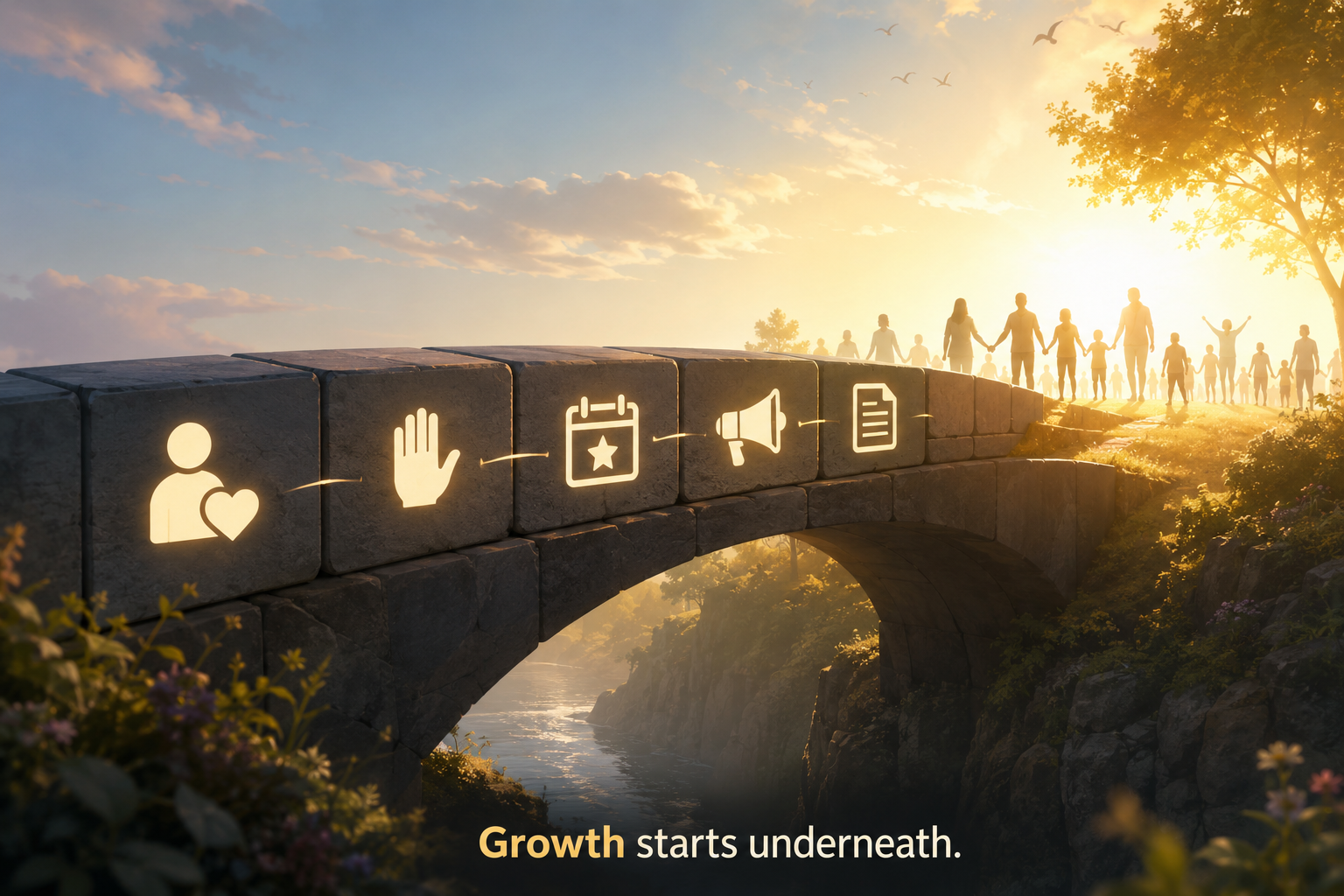
For many nonprofit founders, executive directors, and development leaders, growth feels harder than it should. Donations, volunteer activity, event participation, and email engagement may all be happening, but the full story often lives in separate systems. That’s why nonprofit infrastructure 2026 is no longer just an operations topic. It is becoming a growth strategy for nonprofits that want stronger donor relationships, better reporting, and less manual work.
Connected systems as a growth foundation
Donor data visibility
A strong nonprofit technology foundation helps your team see more than a donation record. It connects giving history, event attendance, volunteer involvement, campaign responses, and follow-up activity so your team understands the full supporter relationship.
When donor data is scattered, your outreach can feel incomplete. A donor may have volunteered for months, attended an event, or clicked multiple campaign emails, but if that activity is not visible in one connected view, your team may miss the right moment to engage.
Nonprofit CRM integration
Nonprofit CRM integration matters because most organizations are not starting from zero. You may already use tools for email, events, payments, volunteer tracking, or fundraising. The goal is not always to replace every tool at once. The goal is to make your core systems work together so data does not get trapped in separate places.
When integrations are structured well, your CRM becomes more than a database. It becomes the place where fundraising, stewardship, reporting, and engagement decisions are guided by real donor behavior.
Connected nonprofit systems
Connected nonprofit systems help small teams act faster. Instead of checking multiple spreadsheets, email platforms, event tools, and donation reports, your staff can work from shared information. This reduces duplicate work, improves follow-up, and helps leadership make decisions with more confidence.
For nonprofits with limited staff, this can be the difference between reacting late and engaging donors at the right time.
Nonprofit operational efficiency technology
The right nonprofit operational efficiency technology gives time back to your team. It supports automated task reminders, donor segmentation, campaign follow-ups, and more reliable reporting. This does not replace human relationships. It gives your team more time to build them.
When your systems support your workflows, fundraising becomes less dependent on memory, manual tracking, and last-minute data cleanup.
Donor journeys shaped by better infrastructure
Unified donor journey nonprofit strategy
A unified donor journey nonprofit strategy means your organization can understand how supporters move from interest to engagement to giving. Someone may first attend an event, then volunteer, then open an email, then make a gift. Each step matters.
When these touchpoints are connected, your team can create more relevant communication. Instead of sending the same message to everyone, you can speak to donors based on their real relationship with your mission.
Nonprofit fundraising infrastructure
Modern nonprofit fundraising infrastructure supports the practical work behind donor growth. It connects donation history, recurring gifts, event participation, campaign activity, and stewardship tasks so your development team can focus on the next best action.
This is especially important for small and mid-sized nonprofits that cannot afford to let warm donor opportunities slip through the cracks.
Nonprofit data integration strategy
A smart nonprofit data integration strategy helps leaders understand what information needs to connect and why. It is not just about syncing tools. It is about making sure the right data supports the right decisions.
For example, volunteer activity should help inform donor outreach. Event attendance should support segmentation. Giving history should guide stewardship. When data flows with purpose, your CRM becomes a true decision-making system.
Nonprofit tech stack optimization
Nonprofit tech stack optimization is not about using fewer tools for the sake of simplicity. It is about making sure each tool has a clear role and works with the rest of your system.
If your team is using several tools but still relying on manual exports, disconnected reports, and duplicate data entry, your tech stack may be creating more work than it solves.
Stronger structure for sustainable growth
Better reporting confidence
When donor, fundraising, volunteer, and event data are connected, reports become more trustworthy. Leadership can see patterns more clearly, boards can make better decisions, and development teams can identify which campaigns, donors, and engagement activities deserve attention.
More relevant donor communication
Connected infrastructure helps nonprofits move away from generic outreach. With better visibility, your team can personalize messages based on giving history, interests, event attendance, volunteer participation, and engagement behavior.
This makes donors feel recognized, not just solicited.
Reduced manual workload
Disconnected systems often force staff to copy data, clean spreadsheets, reconcile reports, and search for information across platforms. A stronger infrastructure reduces that burden and helps your team spend more time on fundraising, stewardship, and mission delivery.
Scalable nonprofit growth
As your nonprofit grows, your systems should support that growth. If your infrastructure is disconnected, growth can create more confusion.
If it is connected, growth becomes easier to manage because your data, workflows, and reporting are built to scale.
To understand how connected infrastructure can turn fragmented donor activity into a clearer growth strategy, return to the main blog and explore the full breakdown of nonprofit infrastructure 2026.